Development Experiences is now supported
New mentions suggester, available in all mentions-supported features
New Blogger badge- You can get this badge if your profile and blog is active & have at least 15 posts- There is a possibility of removing the badge from you incase you aren't active anymore in your blog- To apply for the badge after reaching the requirements: Blogger Badge
Certificates is now available- You will be able to upload your own certificates or documents, whether it is a image or a PDF file & they will appear in your profile in the Certificates page section
You can get a Vanity URL for free now without a premium subscription!Also vanity url domain has been changed from
devlist.vip to devlist.meThe old url will still be working but its deprecated and we won't update it anymore, also there is a possibility that it will be disabled in the next few months
Enjoy with the short vanity URLs, and don't forget to put it in your status / about me sections :thonks:
We've added --text key color for themes, which means you can modify the main website's text color (to support light themes)It will be further developed in the feature to support advanced text color customization
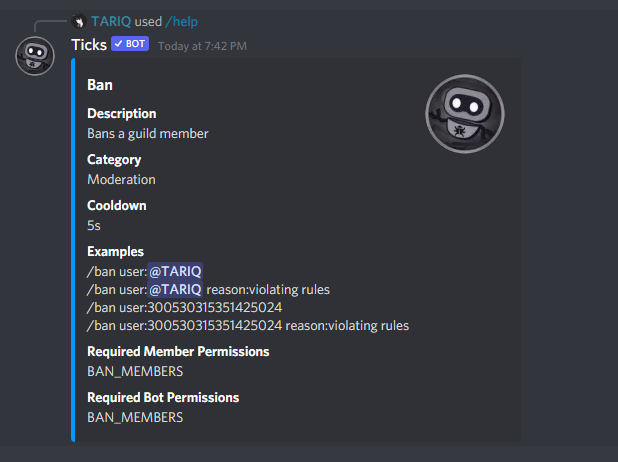
🇺🇸 ENTicks now supports & officially uses Slash Commands
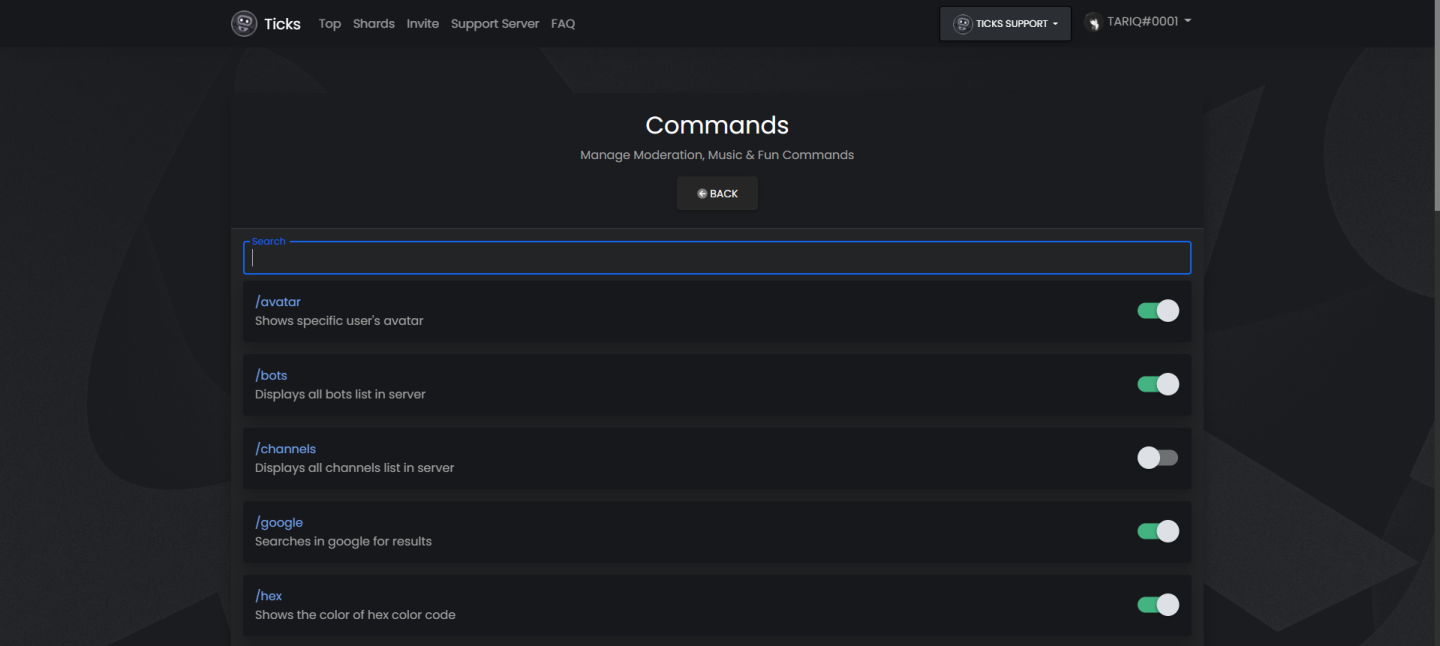
New Commands Page Design
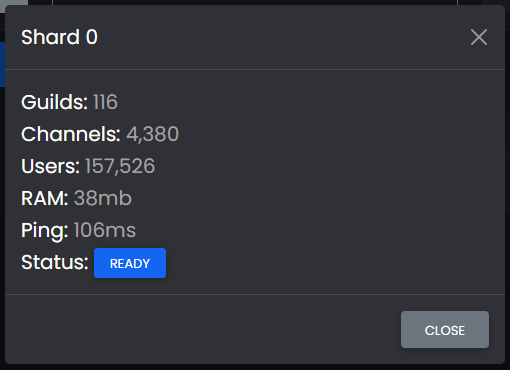
New Shards Page
New shards page that supports searching by ID, you will be able to input your server ID and get info about your server's assigned shard
IfSlash Commands does not show up in your server, re-invite the bot using this link or from the dashboard
🇸🇦 ARتكس الآن يدعم و يستخدم بشكل رسمي أوامر السلاش
تصميم جديد لصفحة الأوامر
صفحة شاردات جديدة!
صفحة شاردات تدعم بحث بالايدي, تقدر تحط ايدي سيرفرك و تعرف حالة شارد الخاص بسيرفرك
اذااوامر السلاش ما تظهر في سيرفرك, جرب دخل البوت من جديد عن طريق اللوحة او عن طريق الرابط هذا"
🌏 بأمكانك نشر سيرفرك الأن من خلال البوت
لضافة البوت :
https://special-share.org/invite
موقع البوت :
https://special-share.org
لضافة البوت :
https://special-share.org/invite
موقع البوت :
https://special-share.org
AUTHOR: SIERRA N. WARREN
This paper presents a dual-framework model that tackles two crucial challenges: the structured classification of Non-Human Intelligence (NHI) signals and the regulation of metacognitive uncertainty within collaborative Human–AI systems.
1. NHI Signal Classification Framework
The first framework establishes a taxonomy for anomalous, potentially non-human intelligence signals, such as those of biological, interstellar, or advanced synthetic origins. Current methods lack systematic categorization, resulting in false positives and ambiguous data interpretation.
The proposed model evaluates signals across three distinct vectors:
- Structural Complexity: This vector distinguishes between stochastic noise and ordered, information-bearing patterns.
- Semantic Density: This vector measures the data-to-signal ratios to identify embedded syntax.
- Intentionality Metrics: This vector assesses directional, repetitive, or adaptive behaviors that indicate conscious generation.
The process involves the following steps:
- Raw Signal Data is processed through a Structural Taxonomy Filter.
- The filtered data is then analyzed to identify anomalous intent vectors.
2. Metacognitive Uncertainty Regulation
The second framework addresses how Human–AI teams process these highly ambiguous NHI signals. When faced with unprecedented data, AI models often exhibit overconfidence, while human operators suffer from cognitive overload. The proposed model governs the processing of these signals by implementing a system that helps Human–AI teams manage metacognitive uncertainty.
This system involves the following steps:
- High-Ambiguity Signal is presented to the Human–AI team.
- The team processes the signal and generates a metacognitive uncertainty score.
- The metacognitive uncertainty score is used to guide the team’s decision-making process.
The system dynamically regulates cognitive load by calculating a joint uncertainty metric.
This paper presents a dual-framework model that tackles two crucial challenges: the structured classification of Non-Human Intelligence (NHI) signals and the regulation of metacognitive uncertainty within collaborative Human–AI systems.
1. NHI Signal Classification Framework
The first framework establishes a taxonomy for anomalous, potentially non-human intelligence signals, such as those of biological, interstellar, or advanced synthetic origins. Current methods lack systematic categorization, resulting in false positives and ambiguous data interpretation.
The proposed model evaluates signals across three distinct vectors:
- Structural Complexity: This vector distinguishes between stochastic noise and ordered, information-bearing patterns.
- Semantic Density: This vector measures the data-to-signal ratios to identify embedded syntax.
- Intentionality Metrics: This vector assesses directional, repetitive, or adaptive behaviors that indicate conscious generation.
The process involves the following steps:
- Raw Signal Data is processed through a Structural Taxonomy Filter.
- The filtered data is then analyzed to identify anomalous intent vectors.
2. Metacognitive Uncertainty Regulation
The second framework addresses how Human–AI teams process these highly ambiguous NHI signals. When faced with unprecedented data, AI models often exhibit overconfidence, while human operators suffer from cognitive overload. The proposed model governs the processing of these signals by implementing a system that helps Human–AI teams manage metacognitive uncertainty.
This system involves the following steps:
- High-Ambiguity Signal is presented to the Human–AI team.
- The team processes the signal and generates a metacognitive uncertainty score.
- The metacognitive uncertainty score is used to guide the team’s decision-making process.
The system dynamically regulates cognitive load by calculating a joint uncertainty metric.